Craftsmanship
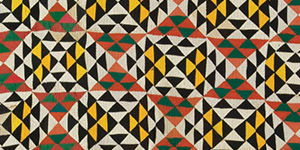
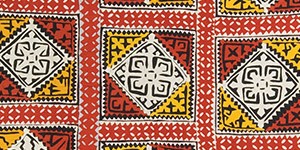
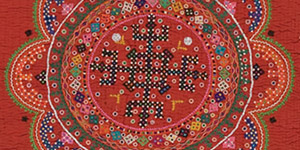
In theory, making a ralli is simple: gather fabric, envision a design, sew the top, then layer fabrics on the ground and quilt them together with stitches spaced less than half an inch apart. The only tools needed are a needle, thread, and simple scissors. The result, however, is far more than the sum of its humble materials—a stunning piece of textile art that is both utilitarian and a deeply personal expression of creativity and heritage. No small task! In reality, the process is remarkable in its complexity and in the high level of skill it requires. Yet ralli quilters have practiced these techniques for generations, passing them from mother to daughter.
Across the ralli region, women have been making quilts for as long as anyone remembers. Most learn to quilt from their mothers or other female relatives. Traditionally, when a girl reached ten or twelve years of age, she was taught quilting and embroidery as she and her mother prepared the textile components of her marriage dowry. As resources allowed, women continued to make quilts for everyday family use.